Using Git in the Eclipse Development Environment
YT Tutorial Video
Creating a Repository: Git & Eclipse
GAI: does eclipse ide have a built in git interface
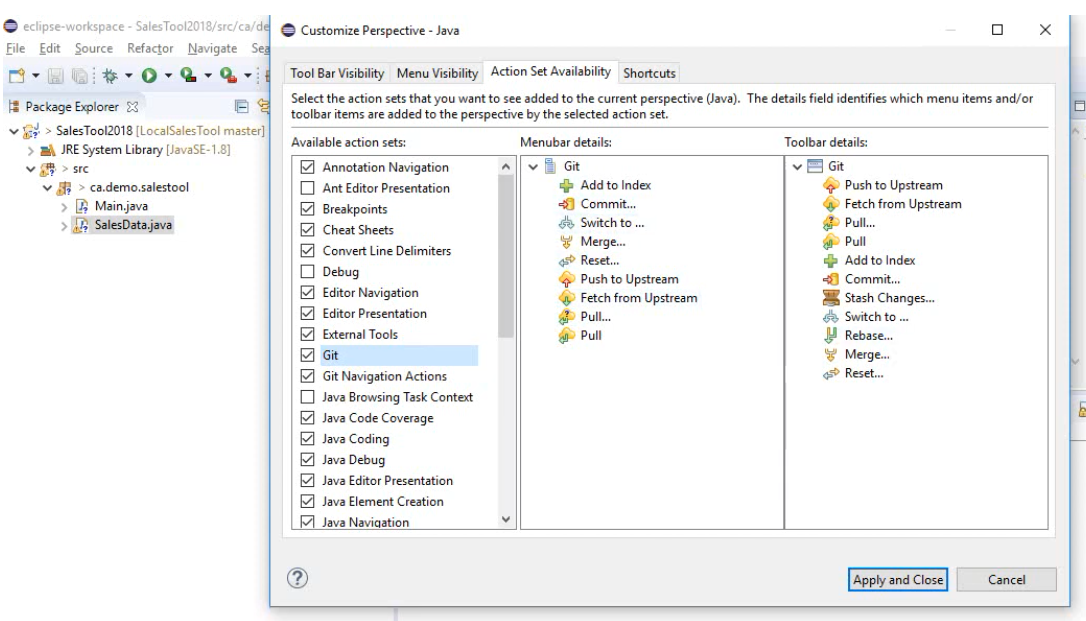
Eclipse IDE has a built-in Git interface called EGit.It comes pre-installed in almost all standard Eclipse IDE distributions, meaning you do not need to install an external plugin or tool to use basic Git commands. [1, 2, 3]
The built-in Git interface allows you to manage version control entirely through the graphical user interface (GUI).
How to Access the Git Interface
You can interact with Git in Eclipse using two primary methods:
- The Team Menu: Right-click on any project, folder, or file in your Project Explorer, and hover over Team. From here, you can perform standard actions like Commit, Add to Index (Stage), Push, Pull, and Fetch.
- The Git Perspective: Go to the top menu and select Window > Perspective > Open Perspective > Other… and choose Git. This switches your entire workspace view to focus on Git tools.
Key Features of Eclipse's Built-In Git
Eclipse provides dedicated tab views (accessible via Window > Show View > Other… > Git) to help track your changes:
- Git Staging: Displays your modified files and allows you to drag-and-drop them to stage files, type a commit message, and quickly execute a Commit and Push.
- Git Repositories: A tree-view pane where you can manage your local branches, configure connections to remote servers (like GitHub), and manage tags.
- History View: Generates a visual, interactive timeline showing your commit logs, branches, and specific file history over time.
If you are using a very old or customized bare-bones version of Eclipse and the "Team" menu lacks Git options, you can add it manually by going to Help > Eclipse Marketplace… and searching for the EGit plugin.
A036379

Git and Github – Learning How to Use Table of Contents TOC
- Git and Github – Learning How to Use Table of Contents TOC
- Page Search: A036379
- ——————————————————————————–
- How does Git and Github Open Source Development Work?
- Git Branches Tutorial
- Git Workflow: The Complete Beginner’s Guide to Pushing Your First Project
- GitHub CoPilot Artificial Intelligence AI
- Git Basic Concepts – How Distributed Development is Handled
- Git Tutorial Video Link Library
- .
- Installing Git on Ubuntu Linux
- How Git Works Functions – file system level
- Using Git in the Eclipse Development Environment
End TOC